
Ficus Ginseng
A unique bonsai-style plant with thick, sculptural roots and glossy green leaves, symbolizing strength, balance, and natural beauty in any setting.
-
Is Ficus Ginseng Toxic to Pets
Is Ficus Ginseng toxic to pets? This question is crucial for pet owners who enjoy decorating their homes with indoor plants. While the Ficus Ginseng, also known as the Chinese Banyan or Ficus microcarpa, is popular for its attractive bonsai-like appearance and low maintenance requirements, its potential toxicity to animals raises concerns. What are the…
-
Ficus Ginseng Care Guideline
Ficus Ginseng is a small tree that people like to grow in pots, making it like a little piece of nature in their homes. It’s known for its interesting-looking trunk, which is a bit chubby and looks like tree roots. This plant is popular because it brings a calming and natural touch to indoor spaces….
-
How To Grow Ficus Ginseng Bonsai
Ficus Ginseng Bonsai is a captivating and petite tree that touches nature’s artistry into your living space. These bonsai trees have become famous for their charming, miniature appearance and the calming influence they can have on any room. Primary Information Origin Southeast Asia Size 6-12 inches Light Needs Indirect light Temperature Range 65-75°F (18-24°C) Soil…
-
10 Important Ficus Ginseng Care and Growth tips
Ficus Ginseng, a favored houseplant, is well-known for its captivating appearance and low-maintenance requirements. This unique plant is a delightful addition to any indoor space with its glossy leaves and intriguing aerial roots. Characteristic Details Scientific Name Ficus microcarpa subsp. retusa Common Name Ficus Ginseng Family Moraceae Type Evergreen Tree Native to Southeast Asia Morphology…

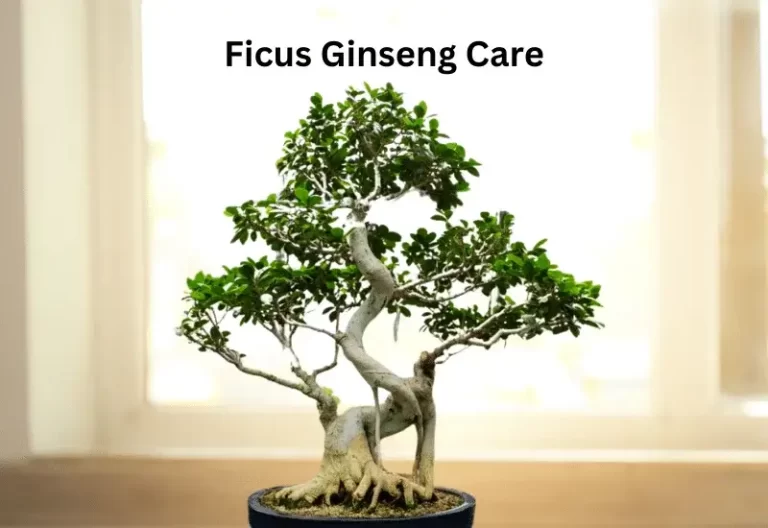
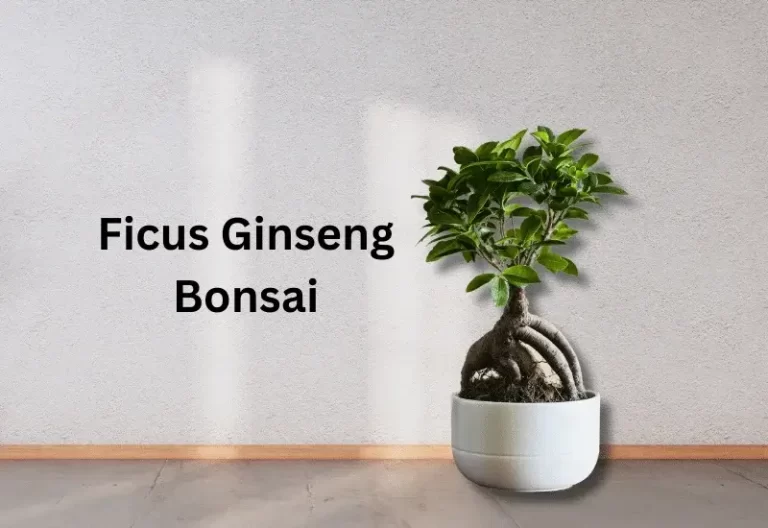
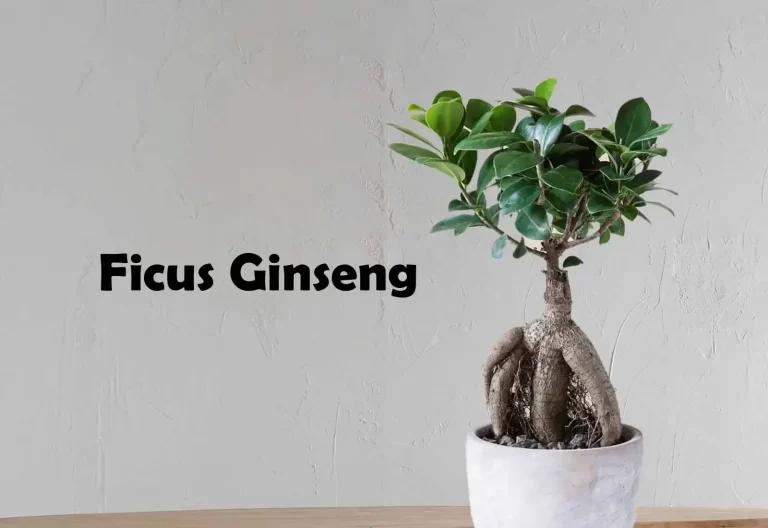
Ginseng Ficus – The Easiest Indoor Ficus Bonsai Tree You Can Grow
The Ficus Ginseng is far more than just a typical houseplant; it’s a living sculpture that brings the ancient art of bonsai and a touch of tropical drama into the modern home.Highly sought after for its distinctive, exposed root structure and easy-care nature, the Ficus Ginseng has become a favorite among plant lovers, from novice gardeners to seasoned bonsai practitioners.
This article delves into the origins of this unique ficus plant and provides a comprehensive guide to mastering its specific ficus care needs.
What is Ficus Ginseng, Really?
The common name Ficus Ginseng can be a bit misleading. The plant itself is not the ginseng herb (Panax species). The name refers specifically to the plant’s fat, tuberous root base that is intentionally grown and exposed above the soil, giving it the gnarled, bulbous appearance of a ginseng root.
- The Species: The plant is a specific cultivated form of Ficus microcarpa, often called the Chinese Banyan or Indian Laurel Fig.
- The Roots: The distinctive base is created by growing the Ficus microcarpa in a specific way, often utilizing cuttings that readily develop thick, aerial, or stilt-like roots.These roots are then pruned and manipulated over time to achieve the desirable swollen, woody shape.
- The Look: The Ficus microcarpa naturally produces dense, small, oval, glossy, dark green leaves, which make it an excellent candidate for the miniature tree look associated with bonsai.
This blend of a miniature ficus tree on top of a spectacular, aged root system is why the ficus ginseng is prized—it offers instant, complex character.
Mastering Ficus Ginseng Care
The popularity of the Ficus Ginseng is largely due to its adaptability and relative hardiness compared to other ficus varieties. Success lies in mimicking its native, humid, subtropical environment.
Light: Bright and Consistent
The ficus microcarpa thrives in plenty of light.
- Requirement: Provide bright, indirect light. A spot near an east-facing window or slightly back from a south or west-facing window is usually perfect.
- Consequences of Low Light: Insufficient light will cause the plant to drop its leaves and slow its growth significantly. If you see yellowing leaves, especially on the inside of the canopy, check your light levels first.
- Tip: Unlike many ficus plants that hate being moved, the Ficus Ginseng can handle being moved outdoors to a shady spot during warm summer months, which often results in a burst of new, healthy growth.
Watering: Hydration, Not Drowning
The exposed, fleshy roots of the Ficus Ginseng are prone to both rot and dehydration.
- Rule of Thumb: Water thoroughly when the top layer of ficus soil feels dry to the touch. Due to its often small container size (when sold as a bonsai), this may mean watering more frequently than a large indoor ficus tree.
- The Drain Test: Always ensure water runs freely out of the drainage holes. Never let the pot sit in standing water, as this is the primary cause of root rot in the ginseng ficus.
- Humidity: High humidity is appreciated. Mist the leaves regularly, especially if placed near dry heat sources, or place the pot on a pebble tray filled with water.
Soil and Repotting
The specific ficus soil is crucial for this bonsai-style plant.
- Soil Mix: A well-draining, slightly chunky bonsai or succulent soil mix is ideal.This soil prevents compaction and allows the impressive root structure to breathe.
- Repotting: Repot every two to three years in the spring. Since the goal is often to maintain its small size, root pruning may be necessary—carefully trim up to one-third of the root mass before placing it back into the same or a slightly larger container.
Pruning and Training
The Ficus Ginseng is essentially a mini-tree, and pruning is key to maintaining its desirable shape.
- Leaf Pruning: To encourage a denser, bushier canopy, regularly pinch or trim off the ends of long, leggy stems. This forces the plant to branch out.
- Shaping: Use small, sharp bonsai shears to maintain the overall silhouette. The Ficus microcarpa responds extremely well to pruning, rapidly forming a dense canopy.
- Aerial Roots: In ideal humid conditions, you may see thin, light brown “aerial roots” beginning to grow down from the branches. If you like the Banyan look, let them grow toward the soil. If not, trim them off.
How To Identify And Treat Common Pests On Your Ficus Ginseng?
The Ficus Ginseng (Ficus microcarpa) is a hardy plant, but like any indoor ficus tree or bonsai, it can occasionally attract a few persistent pests. The key to successful treatment is early detection and consistent follow-up.
Here is a guide to identifying and treating the most common pests that target your Ficus Ginseng:
Common Pests: Identification and Damage
| Pest | Identification Signs | Damage & Location |
| Spider Mites | Fine, silk-like webbing often found where leaves meet the stem (axils). Tiny, reddish or black dots (the mites themselves). | Cause small, yellowish-white speckles (stippling) on the leaves. They thrive in hot, dry air and feed on the underside of foliage. |
| Mealybugs | White, cottony or fuzzy masses that look like small bits of cotton wool. They are small, oval, and soft-bodied insects underneath this wax. | Found in leaf axils and on the underside of leaves. They suck plant sap, leading to stunted growth, yellowing leaves, and sticky residue (honeydew). |
| Scale Insects | Small, immobile brown or tan bumps that look like natural parts of the bark. You may feel them if you scrape the surface. | They attach to stems and leaves, extracting sap and causing yellowing and dieback. They also excrete sticky honeydew. |
| Aphids | Small, pear-shaped insects (usually green, black, or red) clustered together, especially on tender new growth and leaf tips. | They suck sap from new tissue, causing leaves to curl or become distorted. Like mealybugs, they produce sticky honeydew. |
Treatment Protocol: Catch, Isolate, and Treat
When you suspect a pest, act immediately!
Step 1: Isolate the Plant
Immediately move your infested Ficus Ginseng away from all other houseplants. Pests like spider mites and mealybugs spread quickly, especially in the close quarters of an indoor plant collection.
Step 2: Mechanical Removal (The First Attack)
Before applying any product, physically remove as many visible pests as possible.
- For Mites and Aphids: Take the plant to a sink or shower and use a strong jet of lukewarm water (not cold) to thoroughly wash the entire plant, focusing especially on the underside of the leaves and stems.
- For Mealybugs and Scale: Dip a cotton swab or cotton ball in 70% isopropyl (rubbing) alcohol and touch it directly to the pests. The alcohol dissolves their protective waxy coating, killing them instantly. Manually wipe away the dead pests and residue.
Step 3: Apply Topical Treatment
After the initial cleanup, use a natural and effective pest control product.
- Neem Oil Spray: Mix 1-2 teaspoons of high-quality neem oil with a few drops of mild dish soap (as an emulsifier) per quart of water. Shake well.
- Application: Spray the entire ficus plant thoroughly, ensuring both the top and underside of every leaf, as well as all stems and the exposed ginseng ficus roots, are coated.
- Timing: Apply in the evening or when the plant is out of direct sunlight to prevent leaf burn (phytotoxicity).
Step 4: Consistency is Crucial
A single treatment is almost never enough, as many products don’t kill eggs.
- Repeat Treatment: Reapply the neem oil or insecticidal soap solution every 5 to 7 days for at least 3 to 4 weeks. This schedule ensures you target the pests as they hatch from their eggs, effectively breaking the life cycle.
- Monitor: Continue to inspect the plant daily during this period.
Prevention: The Best Ficus Care
Keeping your Ficus Ginseng healthy and stress-free is the best defense against pests.
- Boost Humidity: Spider mites thrive in dry air. Regular misting (especially in dry winter months) or using a nearby humidity tray can deter them.
- Weekly Inspection: Make a habit of checking the undersides of the leaves and the crooks of branches every time you water. Early identification turns a crisis into a simple wipe-down.
- Quarantine New Plants: Always keep new plants completely separate from your existing collection for 4-6 weeks to ensure they are pest-free before introducing them.
The magnificent structure and relatively low maintenance of the Ficus Ginseng make it a spectacular focal point. With consistent, bright light and careful watering, this miniature tree can thrive indoors for decades.