
Ficus Burgundy
A bold and modern houseplant with deep, rich burgundy leaves that add a dramatic touch of color and style to your indoor decor.
-
Ficus Burgundy Cats, and 10 Safety Tips
Let us learn about Ficus Burgundy Cats, and Safety tips against plant toxicity. Caring for our feline friends means making our homes safe for them. Cats are curious creatures, and their safety is a top priority for pet owners. We’ll look at why cats are drawn to this plant, its potential toxicity, and how to…
-
The Beauty of Vigoro Ficus Burgundy
Vigoro Ficus Burgundy, with its captivating deep-hued leaves, has become a beloved choice for indoor gardening enthusiasts. This delightful houseplant not only adds a touch of nature to your living space but also brings a unique charm that sets it apart. Vigoro Ficus Burgundy Care Caring for your Vigoro Ficus Burgundy is a fulfilling endeavor….
-
5 Fancy Ficus Burgundy Varieties
Ficus Burgundy varieties are captivating houseplants that have gained popularity among indoor gardening enthusiasts for their striking appearance and ease of care. These elegant members of the fig family are characterized by their deep, rich burgundy-colored leaves, which add a touch of sophistication and warmth to any interior space. From the compact Ficus elastica ‘Burgundy’…
-
10 Most Important Ficus Burgundy Care and Growth
Ficus Burgundy care is essential for maintaining the health and vibrancy of these stunning plants with their deep, rich red foliage. As a prized member of the Ficus family, the Burgundy variety demands specific attention to thrive in indoor environments. Ficus Burgundy, with its rich, deep foliage, is a delightful addition to any indoor space….
Why the Ficus Burgundy is the Ultimate Statement Plant
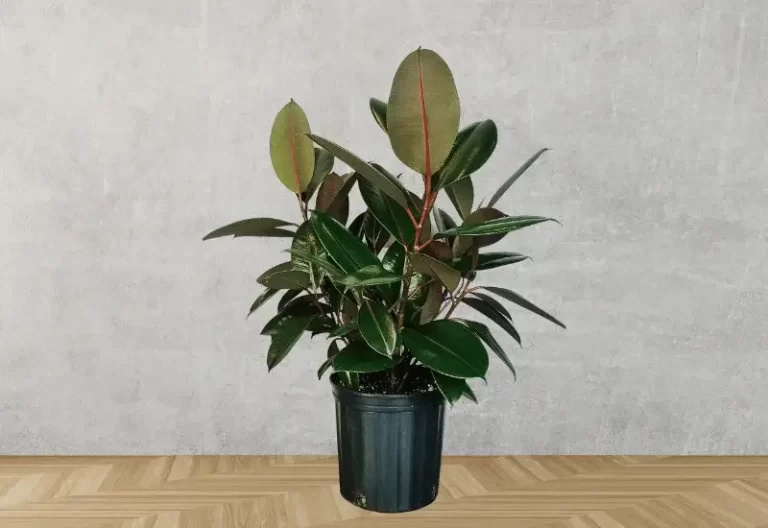
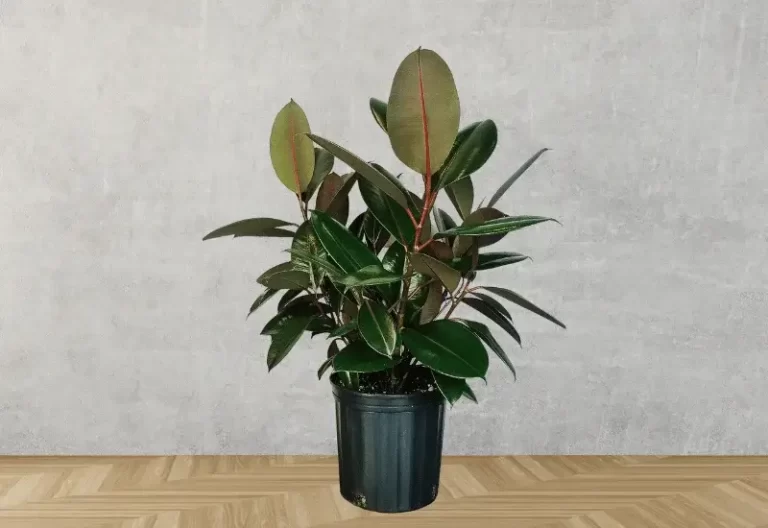
When searching for a houseplant that offers rich color, impressive structure, and a touch of gothic elegance, the Ficus Burgundy is unmatched. This stunning cultivar, a variation of the classic Ficus elastica (Rubber Tree), stands out thanks to its intensely dark, nearly black-red foliage. More robust and easier to care for than many other ficus plants, the Ficus Burgundy is quickly becoming the first choice for decorators seeking a dramatic, high-contrast focal point.
Essential Ficus Burgundy Care Summary
To keep your Ficus Burgundy looking its dramatic best, focus on the following core needs. Consistency is key to preventing leaf drop and ensuring vibrant color.
| Care Aspect | Optimal Requirement | Why It Matters |
| Light | Bright, Indirect Light (Near South/West window, filtered) | Essential for producing the deep, burgundy pigmentation. Low light results in dull green new growth. |
| Watering | When the top 2 inches of ficus soil is completely dry. | Prevents root rot. Overwatering is the biggest killer of Ficus elastica. |
| Soil | Well-draining, chunky potting mix (amended with perlite/bark). | Allows water to flow quickly and provides necessary aeration to the roots. |
| Temperature | Consistent 65–75°F (18–24°C). | Avoid cold drafts and sudden temperature fluctuations to prevent leaf shock and drop. |
| Humidity | Average indoor humidity is fine, but benefits from higher levels. | Mimics its native tropical environment, keeping leaf edges crisp. |
Understanding the Allure of the Ficus Burgundy
The Ficus Burgundy is technically Ficus elastica ‘Burgundy’. Its defining characteristic is the deep pigmentation in its leaves, which is far richer and darker than the common green Rubber Tree.
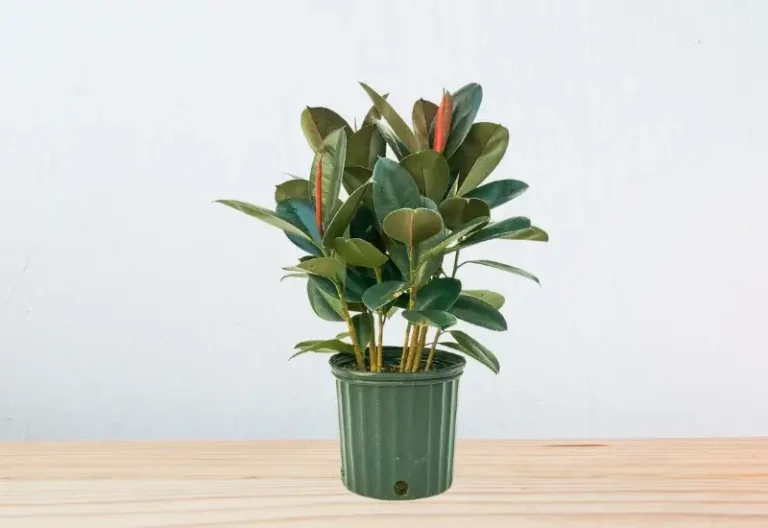
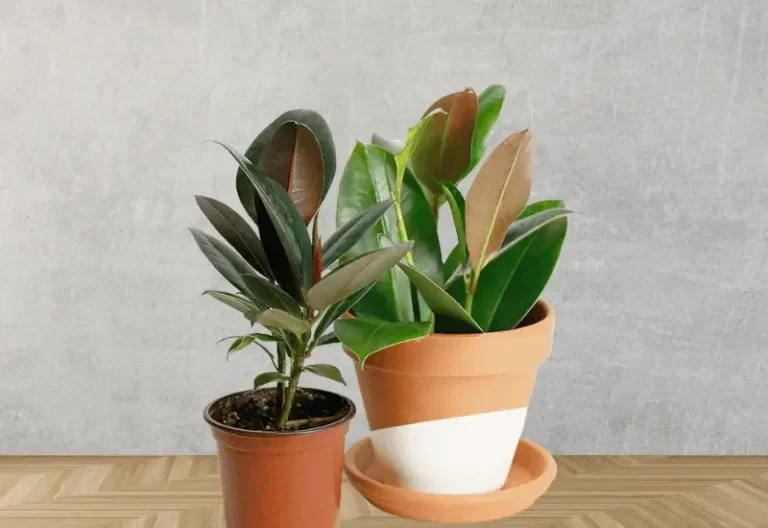
- Color Profile: The leaves unfurl encased in a sheath (or stipule) that is bright red or pink. As the leaf expands, the upper surface matures to a deep, dark burgundy, a hue so rich it often appears black in low light. The underside of the leaf retains a reddish tint, creating a luxurious two-tone effect.
- Structure: Like all Ficus elastica varieties, the Ficus Burgundy boasts thick, leathery, and large oval leaves. The plant grows in an upright, columnar fashion, developing a strong trunk that makes it look like a true indoor ficus tree.
- Resilience: Compared to the notoriously finicky Ficus lyrata or the leaf-dropping Ficus benjamina, the Ficus Burgundy is considerably more tolerant of indoor conditions, making it an excellent option for the dedicated but busy plant parent.
Key Fact: The dark color of the Ficus Burgundy leaves is due to a higher concentration of anthocyanins—the same pigments found in grapes and blueberries—which provide protection against intense sunlight in the plant’s native habitat.
Essential Ficus Burgundy Care for Deep Color
To keep your Ficus Burgundy looking its dramatic best, focusing on light and consistent watering is essential.
Lighting Requirements
Light is the single most important factor for maximizing the deep color of the Ficus Burgundy.
- Optimal Placement: This plant thrives in bright, indirect light. A spot near a south or west-facing window is ideal, as long as the harsh, direct midday sun is filtered by a sheer curtain.
- Color Intensity: Counter-intuitively, the dark color actually requires good light. If the Ficus Burgundy does not receive enough light, the new growth will be less intensely colored, often appearing a dull green instead of the prized deep burgundy.
- Rotation: Rotate the pot every few weeks. This ensures all parts of the plant receive adequate light and promotes even, straight growth.
Watering Protocol
The thick leaves of the Ficus Burgundy store water, making it prone to overwatering if care is not taken.
- Checking the Soil: Only water when the top 2 inches of ficus soil is completely dry. In winter, you may need to wait longer between watering sessions.
- Thorough Soak: When watering, drench the soil completely until water flows freely out of the drainage holes. Promptly empty the saucer beneath the pot to prevent the roots from sitting in standing water, which inevitably leads to root rot.
Soil and Structure
- Ficus Soil: Use a well-aerated, chunky potting mix. A blend designed for cacti and succulents, or a standard potting mix amended with perlite and orchid bark, provides the necessary drainage.
- Support: As the Ficus Burgundy grows into a large ficus tree, it may benefit from staking or occasional pruning to maintain its desired shape and vertical structure.
Tips for a Thriving Ficus Burgundy
- Cleaning the Foliage: The large, glossy leaves of the Ficus Burgundy tend to collect dust. Wipe them down monthly with a damp cloth. This isn’t just cosmetic; a clean leaf surface allows for better light absorption (photosynthesis), which is crucial for maintaining that deep burgundy color.
- Feeding Schedule: Fertilize during the active growing season (spring and summer) every 4-6 weeks with a balanced, liquid houseplant food. Suspend feeding in the fall and winter.
- Toxicity Note: Like all ficus plants, the Ficus Burgundy contains a milky, white latex sap that can be irritating to skin and is toxic if ingested by pets or humans. Place the plant in a safe, inaccessible location.
By providing bright light and mastering a consistent, conservative watering routine, the magnificent Ficus Burgundy will provide rich color and lush, tropical drama to your indoor space for years to come.